Our Product Portfolio

Premium Textile
Collections

Innovative fabrics for modern fashion and industrial applications

Denim Suitings Technical Textiles
PRODUCT ENGINEERING

Premium Fabric
Technical Specifications

Explore our comprehensive range of engineered textiles with detailed technical specifications, manufacturing processes, and application guidelines for each fabric category.

5
Core Categories
12+
Specialized Blends
50+
Weave Variations
ISO
Quality Certified
CATEGORY 1

Suiting Fabrics

Premium structured fabrics engineered for formal and business attire, combining durability with sophisticated aesthetics through advanced polyester-viscose blends and precise weave constructions.

Primary Application
Formal & Business Wear

Technical Specifications

Fabric Weight
180-350 GSM
(Grams per Square Meter)
Thread Count
100-180 TPI
(Threads per Inch)

Common Weave Types

Plain Weave Twill Weave Herringbone Hopsack Gabardine

Standard Width

58/60 inches
(147-152 cm)

Material Composition

Polyester-Viscose Blends
Commonly 65% Polyester / 35% Viscose, with variations including 80/20 and stretch blends with 2-4% Lycra.
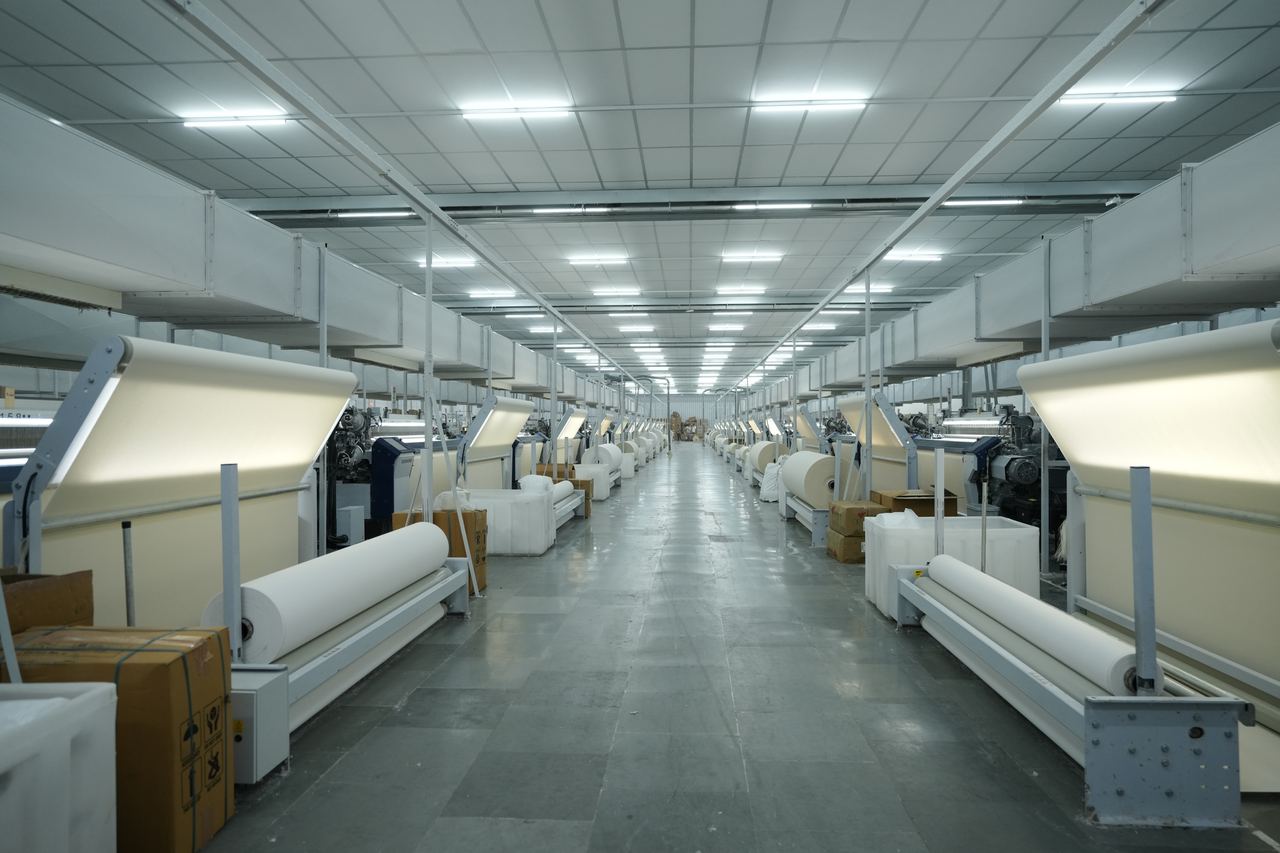
Suiting fabrics technical details - Sitaram Denims manufacturing
ISO 9001:2015 Certified

Key Performance Characteristics

Durability & Longevity
Engineered for 100+ dry clean cycles with minimal wear, maintaining structural integrity and color fastness.
Wrinkle Resistance
Advanced resin finishes provide excellent crease recovery and maintain sharp appearance throughout wear.
Moisture Management
Hydrophilic treatment ensures breathability while maintaining fabric structure in varying humidity.
CATEGORY 2

Shirting Fabrics

Breathable, comfortable fabrics engineered for daily wear with excellent moisture-wicking properties, diverse texture options, and superior drape characteristics for optimal shirt construction.

Primary Application
Daily & Formal Shirts

Technical Specifications

Fabric Weight Range
90-180 GSM
Light to medium weight

Weave Variations Available

Plain Weave
Basic, durable construction
Twill Weave
Diagonal pattern, soft drape
Oxford Weave
Basket pattern, casual look
Poplin Weave
Fine crosswise ribs
Shirting fabrics technical specifications - Sitaram Denims quality
Lightweight & Breathable

Performance Features

Moisture Management
Advanced wicking technology moves moisture away from skin with evaporation rate of 0.2-0.4 g/hr.
Anti-Microbial Treatment
Silver-ion technology provides 99.9% bacterial reduction (AATCC 100) for hygiene and freshness.
UV Protection
UPF 40+ rating blocks 97.5% of harmful UV radiation (AS/NZS 4399:1996).
CATEGORY 3

Linen Fabrics

Natural flax-based fabrics prized for exceptional breathability, distinctive texture, and elegant drape. Our linen collection combines traditional craftsmanship with modern finishing techniques for premium warm-weather apparel.

Primary Application
Summer & Luxury Wear

Natural Fiber Properties

Fiber Source
Flax Plant
Linum usitatissimum
Fiber Length
25-120 cm
(Long line flax)

Unique Characteristics

High Moisture Absorption (up to 20% of weight)
Excellent Heat Conduction (cooling effect)
Natural Antibacterial Properties
UV Protection (UPF 50+)

Weight & Construction

Lightweight Linen 120-160 GSM
Medium Linen 160-200 GSM
Heavy Linen 200-280 GSM
Linen fabric manufacturing - Sitaram Denims natural textiles
100% Natural & Sustainable

Production Process

1
Retting & Extraction
Flax stems undergo water or dew retting for 2-3 weeks to separate fibers, followed by mechanical extraction.
2
Spinning & Weaving
Long flax fibers are wet-spun for strength, then woven on specialized looms at controlled humidity.
3
Finishing & Calendering
Controlled shrinkage, natural softening, and calendering for desired texture and drape characteristics.

Linen Blend Variations

55% Linen / 45% Cotton

Reduces wrinkling while maintaining linen's breathability. Ideal for business casual shirts and summer trousers.

GSM: 140-180 | Shrinkage: 3-5%

70% Linen / 30% Viscose

Enhanced drape and softness with improved color retention. Perfect for flowing dresses and luxury shirts.

GSM: 130-170 | Shrinkage: 4-6%

98% Linen / 2% Lycra

Minimal stretch for comfort without compromising linen's natural characteristics. Excellent for fitted garments.

GSM: 150-200 | Shrinkage: 3-4%
CATEGORY 4

Denim Fabrics

Sturdy warp-faced twill fabrics characterized by diagonal ribbing, renowned for durability and versatility. Our denim collection ranges from traditional rigid indigo to advanced stretch variants for modern casual wear.

Primary Application
Casual & Work Wear

Technical Specifications

Twill Direction
3×1 Right-Hand
(Standard Denim Weave)
Weight Range
6-14 oz/yd²
(200-475 GSM)

Denim Weight Classification

Lightweight Denim
6-8 oz/yd²
Mid-weight Denim
9-11 oz/yd²
Heavyweight Denim
12-14+ oz/yd²

Yarn Specifications

Warp Yarn
Ring-spun Cotton
Ne 6-12
Weft Yarn
Open-end Cotton
Ne 8-16
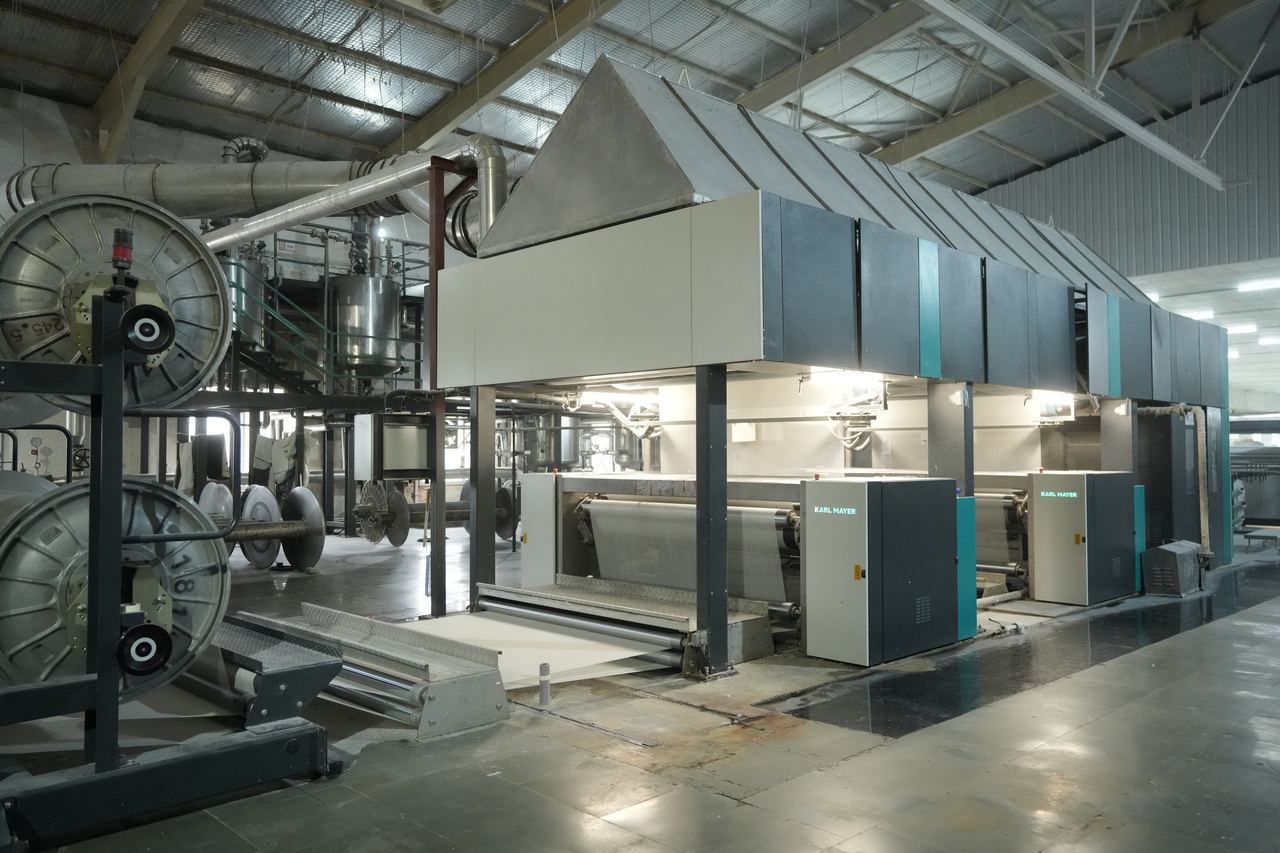
Denim manufacturing process - Sitaram Denims textile production
High Durability Engineered

Performance Testing Results

Abrasion Resistance 20,000+ cycles
(Martindale test ASTM D4966)
Tensile Strength 250-400 N
(Warp direction ASTM D5034)
Color Fastness Grade 4-5
(To washing AATCC 61)

Denim Wash & Finish Types

Rigid / Dry Denim

Unwashed, stiff finish that molds to wearer over time.

Stone Wash

Pumice stone treatment for vintage, worn appearance.

Ice Wash

Light bleach treatment for subtle vintage effects.

Sand Blast

Abrasive treatment for localized wear patterns.

CATEGORY 5

RFD Fabrics

Ready for Dyeing/Printing fabrics that have been pre-treated and scoured to ensure optimal dye absorption and uniform coloration. Unlike raw greige fabric, RFD materials provide consistent results for downstream dyeing and finishing processes.

Primary Application
Dyeing & Printing Base

Pre-Treatment Specifications

Scouring Process Parameters

Temperature
90-95°C
Duration
45-60 min
pH Level
10.5-11.0
Alkali Concentration
3-5%

Absorbency Standards

Drop Test Absorption < 3 seconds
Vertical Wicking 5-8 cm/30 min
Moisture Regain 8.5% ± 0.5%

Chemical Residue Limits

Maximum Allowable Residues
Wax Content ≤ 0.2%
Pectin Content ≤ 0.1%
Ash Content ≤ 0.8%
Extractives ≤ 0.5%
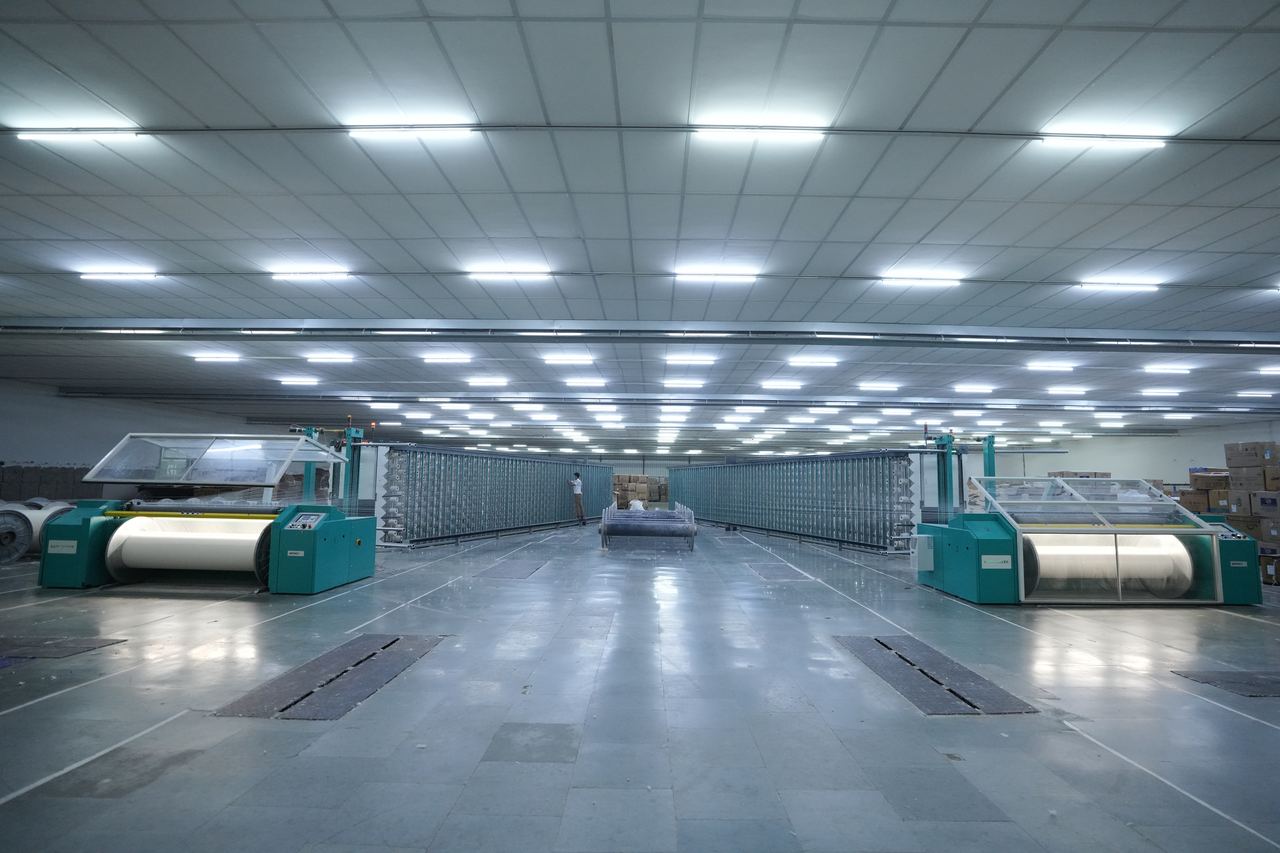
RFD fabric production - Sitaram Denims ready for dyeing textiles
Optimum Dye Absorption

Quality Advantages

Uniform Dye Uptake
CV% (coefficient of variation) of less than 5% across fabric width and length ensures consistent coloration.
Reduced Dye Consumption
15-20% lower dye requirement compared to untreated greige fabric due to optimized absorbency.
Shorter Processing Time
Eliminates pre-treatment stage, reducing total dyeing cycle time by 30-40%.

RFD vs. Greige Fabric: Technical Comparison

Parameter RFD Fabric Greige Fabric Advantage
Whiteness Index 75-85 50-60 Better Color Yield
Absorbency Time 2-3 seconds 15-30 seconds Faster Processing
Dye Uniformity CV ≤ 5% CV 8-15% Consistent Results
Chemical Usage Reduced by 25% Standard Cost Effective
Processing Time 30-40% Faster Standard Cycle Increased Throughput

Need Technical Specifications for Your Project?

Our technical team can provide detailed fabric specifications, test reports, and samples tailored to your specific requirements.